.


Eco-safe dry ice cleaning for food, industrial, and maintenance sectors. Non-toxic, fast, and residue-free service across Florida. Call now for exclusive rates!
In industrial environments, time is money—and any production downtime can result in significant losses. Our dry ice cleaning process is designed not just for cleanliness, but for speed, efficiency, and minimal interruption to your operations.
Traditional cleaning often requires machines to be taken apart, cleaned manually, and reassembled. This leads to extended downtime and added labor costs. With our process:
Because dry ice cleaning does not leave behind moisture or chemicals, cleaned machines can return to operation almost immediately.
Downtime is often caused by post-cleaning damage or delays from incompatible cleaning methods. Our process is:
Our clients benefit from being able to integrate dry ice cleaning into planned maintenance cycles. This proactive approach prevents buildup and reduces the need for emergency shutdowns.
Minimizing downtime doesn’t mean cutting corners on cleanliness. With our dry ice cleaning services, you can achieve both: thorough cleaning and maximum uptime. Let us help your team stay on schedule, reduce disruptions, and keep your operations running smoothly.
Contact us now to schedule a free assessment of your facility.
Dry ice cleaning is a highly versatile and effective method used across many sectors. From manufacturing to healthcare, it provides a safe, residue-free, and efficient solution for removing contaminants without damaging surfaces. Here are the industries where dry ice cleaning makes a major difference.
Sanitation is critical in food processing. Dry ice cleaning eliminates bacteria, grease, and organic residues without using water or chemicals. Since it sublimates on contact, there is no drying time and no risk of contamination.
In automotive and aerospace applications, maintaining precision equipment is essential. Dry ice blasting removes grease, carbon buildup, and adhesives from tools, molds, and assembly lines without abrasion.
Heavy machinery and production environments accumulate stubborn contaminants. Dry ice blasting provides a quick, non-invasive method to clean gears, motors, printing presses, and other equipment.
In mold maintenance, dry ice blasting removes resin, release agents, and carbon buildup without damaging the mold surface. It extends mold life and improves product quality.
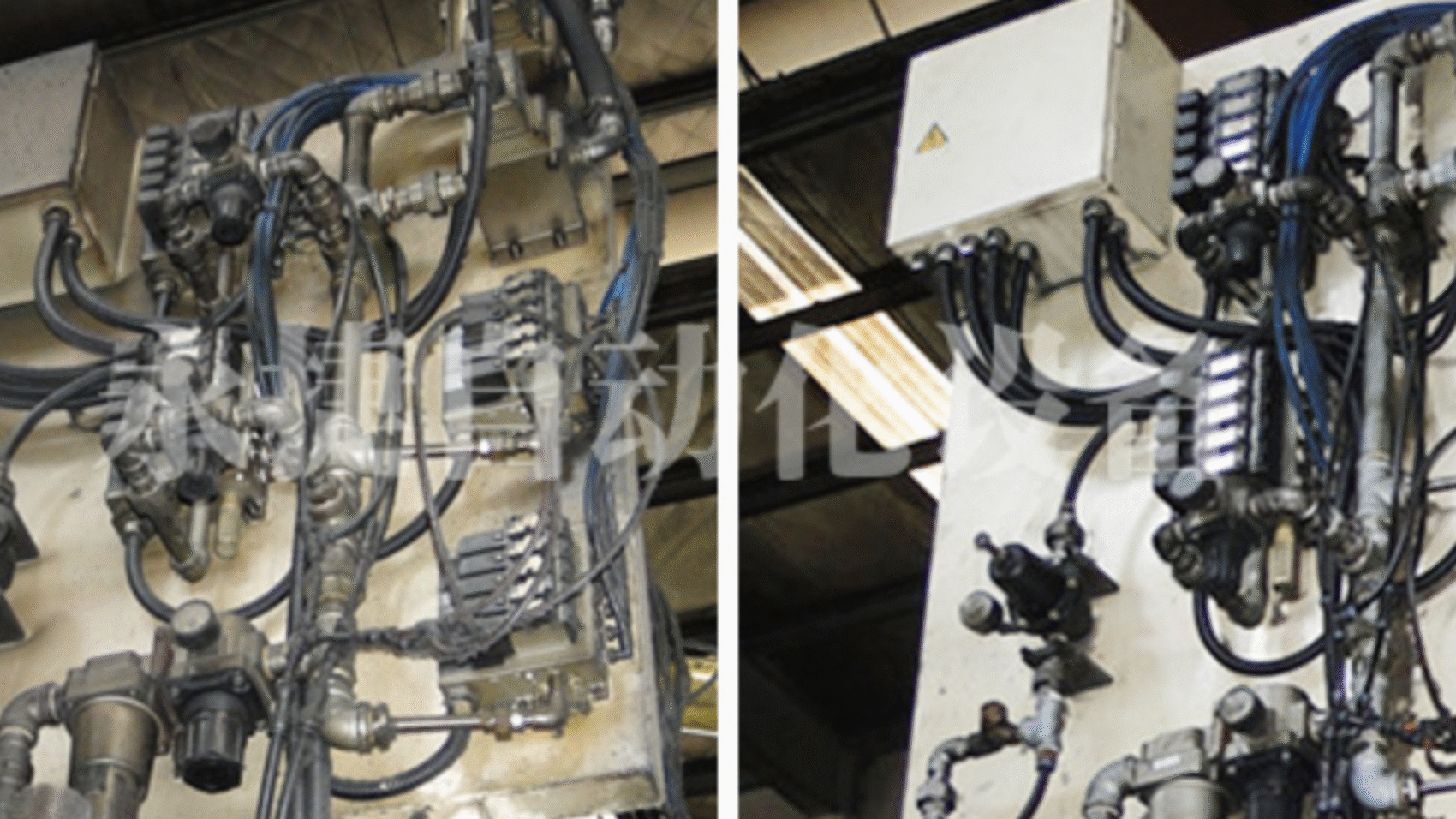
Turbines, transformers, and switchboards require periodic cleaning, often in confined or sensitive areas. Dry ice offers a moisture-free method that eliminates the risk of electrical hazards.
In cleanrooms and sterile environments, dry ice cleaning removes biological contaminants without introducing moisture or chemicals.
Dry ice cleaning is no longer a niche method—it’s a scalable, industry-standard solution for businesses that demand safety, speed, and precision. Whether you manage a food processing plant or a power station, this method adapts to your needs without compromise.
Contact us to learn how your business can benefit from our dry ice cleaning services.
Both dry ice and steam cleaning are popular non-contact methods used in industrial, commercial, and food-related applications. However, they work in fundamentally different ways—and choosing the right method depends on your specific cleaning needs.
Key Difference: Dry ice leaves no moisture behind, while steam involves significant heat and water.
Key Difference: Dry ice is gentler on delicate components and doesn’t cause corrosion or thermal damage.
Key Difference: Dry ice blasting reduces cleanup time and environmental impact.
Key Difference: Dry ice cleaning enables faster return to operation.
Key Difference: Dry ice is a safer option in enclosed or moisture-sensitive environments.
While both methods have their strengths, dry ice cleaning offers a cleaner, drier, and more efficient solution for a wide range of applications. It’s particularly well-suited for environments that demand speed, minimal residue, and equipment protection.
If you’re unsure which method is right for your business, we can help you evaluate the best approach.
Reach out today for a personalized consultation.
When it comes to cleaning equipment and surfaces in the food industry, safety and hygiene are non-negotiable. Dry ice blasting is increasingly being used in food processing facilities—and for good reason. It offers a powerful, chemical-free cleaning method that is both effective and fully compliant with strict industry regulations.
Dry ice blasting uses solid carbon dioxide (CO₂) pellets that sublimate on contact. This means:
The method is completely dry, which makes it ideal for sensitive areas such as mixers, conveyor belts, ovens, and packaging lines.
Dry ice cleaning is approved and recommended by several major regulatory bodies:
These approvals confirm that the method is safe for use in areas where food is handled, processed, or packaged.
Dry ice blasting is not only effective at removing visible debris—it can also eliminate invisible biological contaminants like:
Because of its ability to access hard-to-reach areas, it ensures a deeper level of sanitation without damaging equipment.
One of the key advantages for food production lines is that equipment can often be cleaned in-place without stopping the entire operation. This saves time, reduces labor, and minimizes production loss.
Dry ice cleaning is one of the safest and most efficient cleaning methods available for food environments. It’s dry, non-toxic, residue-free, and regulation-approved. If you’re looking to improve hygiene without disrupting operations, this technology is a perfect fit.
Contact us to learn how we can implement dry ice cleaning in your food production facility.
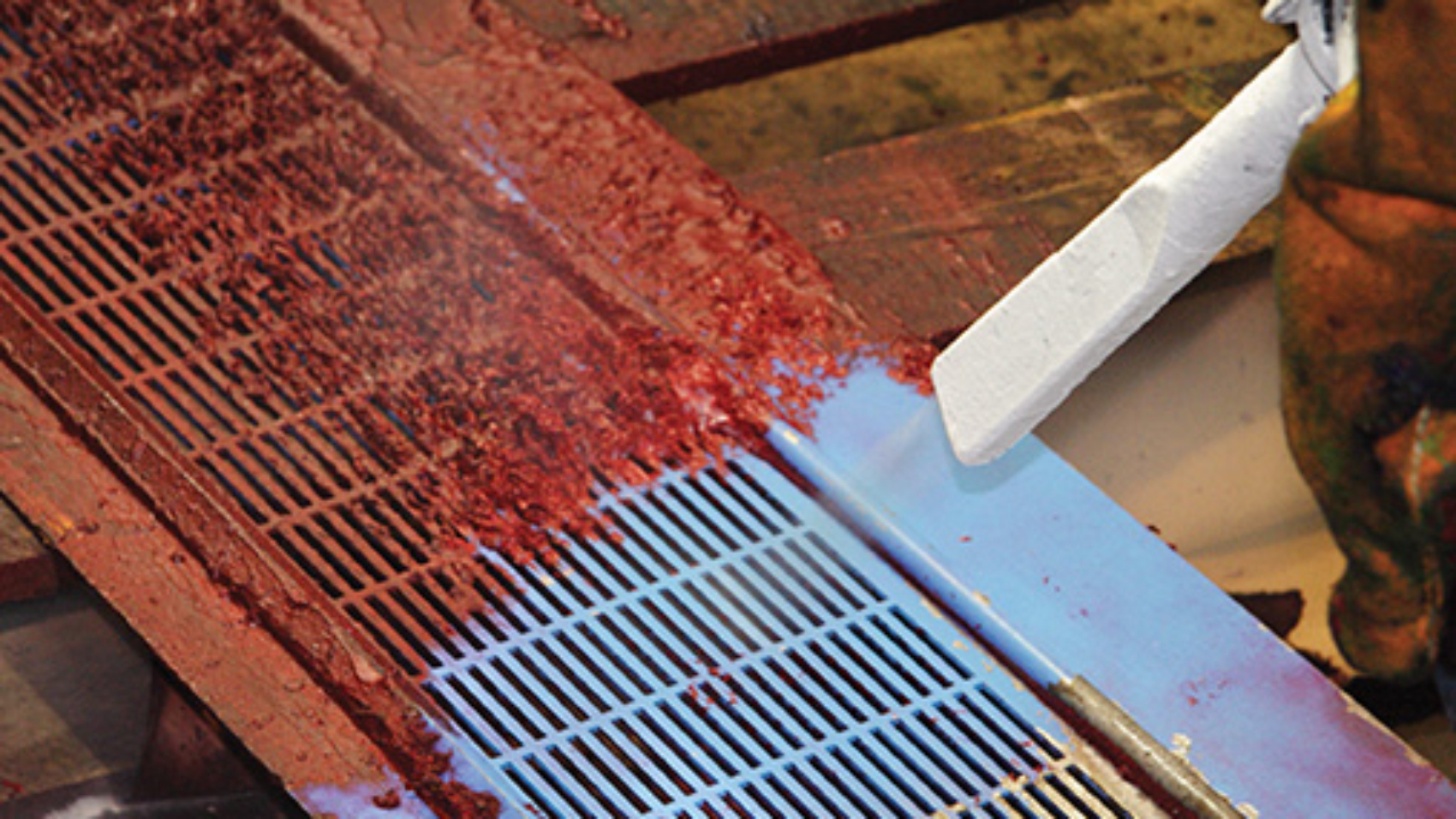
When it comes to industrial cleaning, the method you choose can make a significant impact on your efficiency, safety, and operating costs. While traditional methods like pressure washing, sandblasting, or chemical scrubbing have been the standard for decades, dry ice cleaning is revolutionizing the way businesses maintain their equipment and environments.
Unlike pressure washing or steam cleaning, dry ice cleaning uses solid CO₂ pellets that sublimate upon impact. This means:
Sandblasting is effective but harsh—it can damage surfaces, remove paint unintentionally, or degrade machine parts over time. Dry ice, on the other hand:
Traditional cleaning often involves strong solvents and chemicals that are hazardous to both humans and the environment. Dry ice cleaning eliminates the need for:
It’s FDA, USDA, and EPA compliant, making it perfect for food processing, medical, and manufacturing environments.
One of the biggest advantages is how quick and efficient the process is:
This saves businesses hours—even days—of downtime, translating into lower labor costs and higher productivity.
Dry ice blasting works on a wide range of surfaces and contaminants, including:
From printing presses and injection molds to food conveyors and HVAC systems—this method covers it all.
If you’re still using traditional methods for critical cleaning tasks, it might be time to switch. Dry ice cleaning is faster, safer, cleaner, and more cost-effective—and it leaves your surfaces spotless without leaving a trace.
Contact us today to request a demo or get a free consultation.
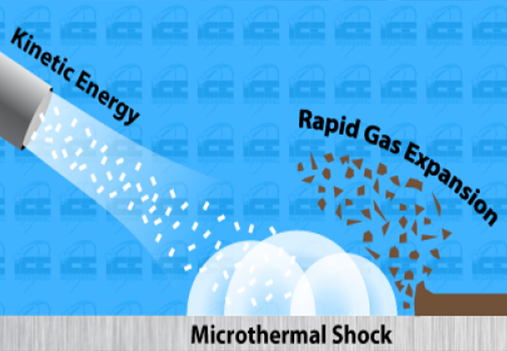
Dry ice blasting may look simple on the surface, but it’s backed by advanced physical and chemical principles that make it incredibly effective. This cleaning method uses compressed air to accelerate solid carbon dioxide (CO₂) pellets toward a surface at high speed. What happens next is a three-step cleaning process that leaves no residue behind.
When the dry ice pellets hit a dirty or contaminated surface, they immediately cause a rapid temperature drop. This temperature difference creates a thermal shock between the contaminant and the underlying surface, causing the bond between them to weaken.
The dry ice particles impact the surface with high kinetic force, which helps dislodge particles without damaging the substrate.
As soon as the dry ice hits the surface, it sublimates—meaning it instantly transforms from solid to gas without passing through a liquid phase. This rapid gas expansion helps lift and carry away loosened debris.
Dry ice blasting uses recycled CO₂, making it an environmentally safe solution. It produces no toxic chemicals, no hazardous runoff, and no additional waste materials.
Dry ice blasting is not just about removing dirt—it’s a precise, science-based cleaning process that protects your equipment, improves productivity, and supports a safer workplace. By understanding how it works, you can appreciate why more industries are making the switch.
Contact us today to learn how this technology can benefit your operations.